Author: Dr. Sarah Hobson
Why Women’s Veteran Transitions Deserve Greater Attention
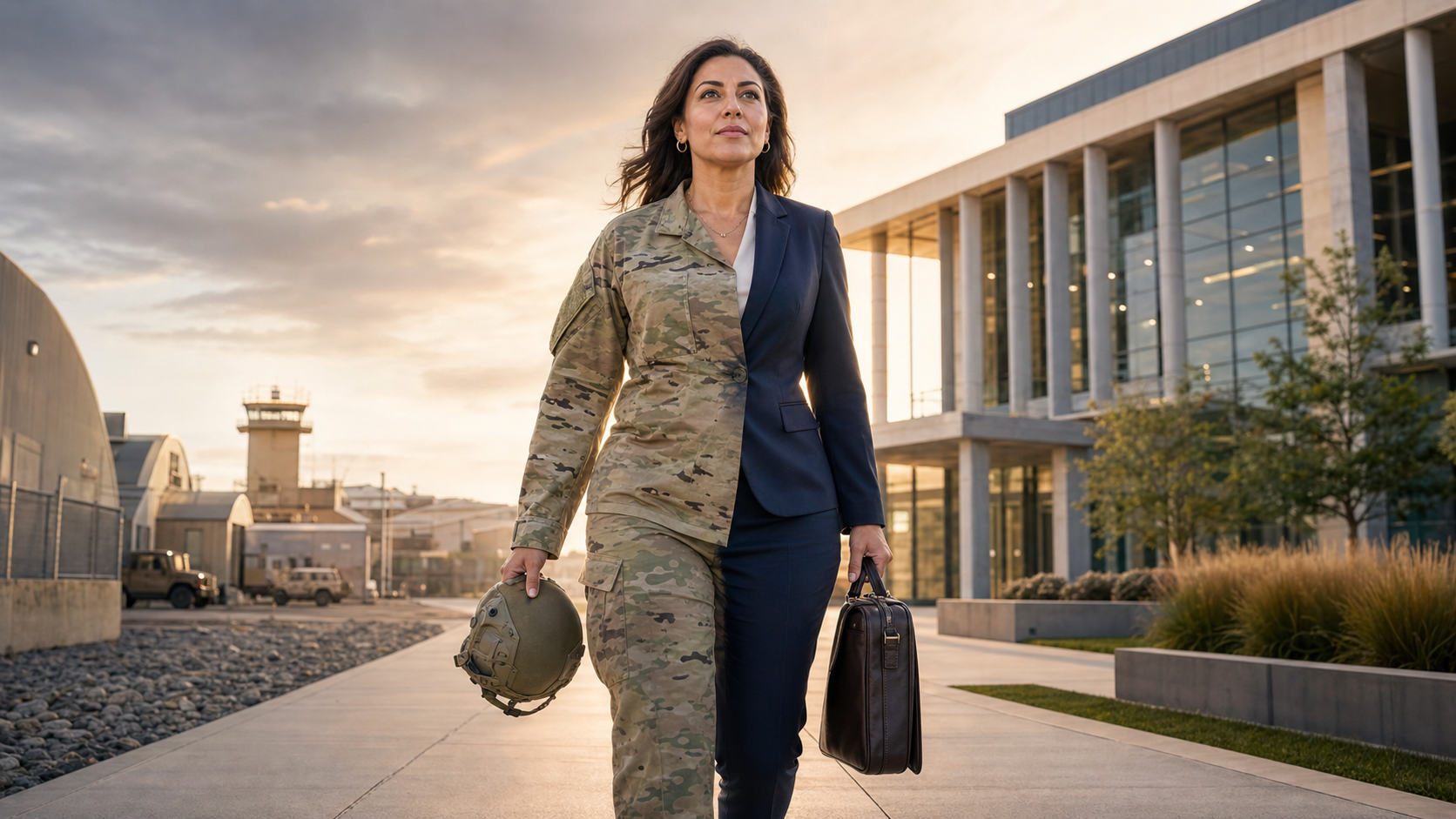
The number of women serving in the U.S. military has steadily increased over the past several decades, yet research and public policy have not evolved at the same pace. While veteran transition programs have traditionally been designed around the experiences of male service members, women veterans often navigate a markedly different path back into civilian life. As a result, many face barriers that remain poorly understood and insufficiently addressed.
This qualitative case study was designed to examine a pressing gap in the literature: the lived experiences of female veterans during their transition from military to civilian life. Existing scholarship frequently treats women as a small subgroup within broader veteran populations, limiting our understanding of the gender-specific obstacles they encounter. Consequently, policymakers and veteran-serving organizations often lack the evidence needed to develop programs that adequately support women after military service.
The purpose of this research was to elevate the voices of female veterans and better understand how bureaucratic systems, employment challenges, identity loss, mental health concerns, and social reintegration intersect during the transition process. Rather than reducing these experiences to statistical trends, this study sought to capture the human stories behind the data, providing practical recommendations that can improve veteran policy and public administration.
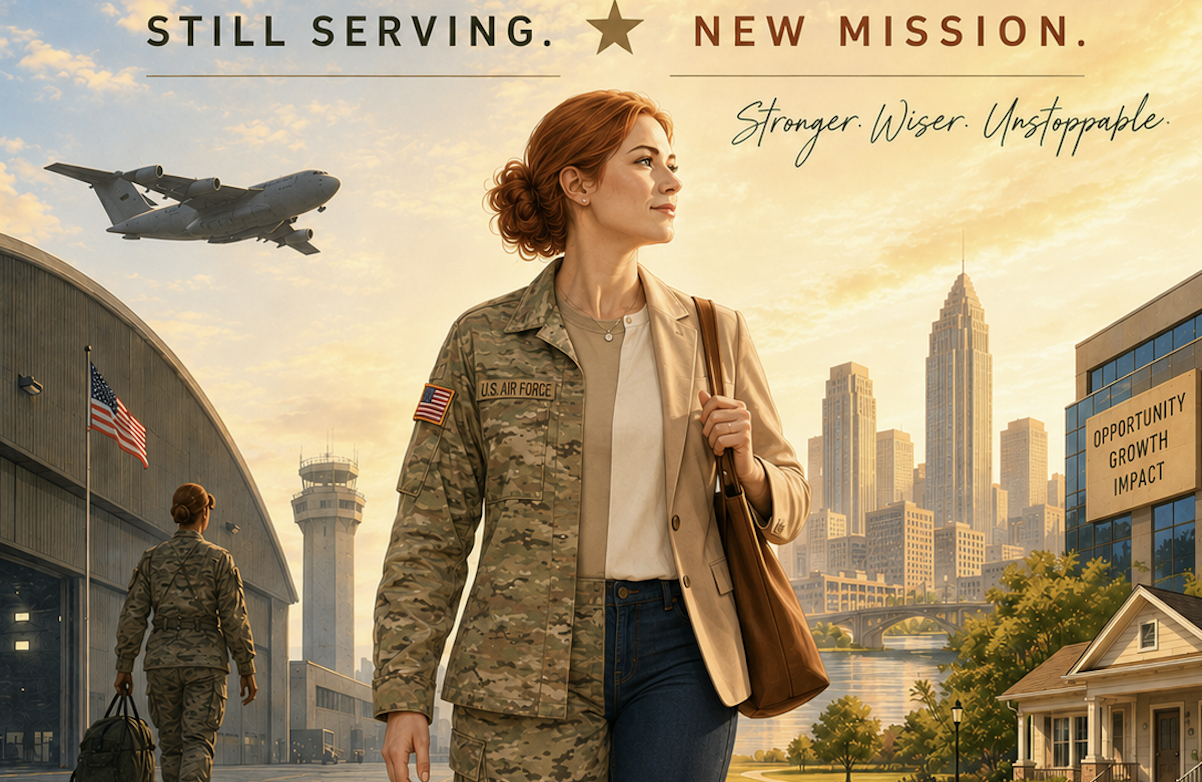
The findings demonstrate that transition is not simply about finding employment or receiving benefits. Instead, it represents a profound transformation of identity that is shaped by institutional structures, societal perceptions, and the availability—or absence—of gender-responsive support systems.
Historical Context and Literature Review
The Changing Face of Military Service
Women have played increasingly significant roles in the U.S. Armed Forces since the late twentieth century. Their participation expanded dramatically following the transition to the All-Volunteer Force in 1973, continued through operations in Iraq and Afghanistan, and culminated in the opening of nearly all military occupations to women.
Despite these advances, veteran support systems evolved largely around male service members. Programs administered through the Department of Veterans Affairs (VA), Transition Assistance Program (TAP), and many community organizations were originally developed during periods when women represented only a small percentage of the veteran population.
Although women now comprise one of the fastest-growing veteran demographics, much of the existing research continues to compare women against men rather than examining women veterans as a unique population with distinct experiences.
What Previous Research Tells Us
The literature consistently identifies several recurring challenges facing women veterans:
- Navigating the complexity of VA disability and healthcare systems
- Translating military leadership into civilian employment
- Managing military sexual trauma (MST) and PTSD
- Balancing caregiving responsibilities with career development
- Experiencing social isolation following separation
- Encountering gender bias in civilian workplaces
- Losing the strong identity associated with military service
Researchers have also emphasized that women frequently experience “veteran invisibility.” Many report being mistaken for military spouses rather than veterans themselves, or having their service questioned entirely. This societal misrecognition compounds the psychological challenge of leaving an institution where identity, purpose, and social status are clearly defined.
Theoretical Foundations
Three theoretical perspectives guided this study.
Transition Theory
Transition Theory argues that successful life transitions depend upon personal resources, available support systems, and an individual’s ability to adapt to changing roles. Military separation represents one of the most significant life transitions an individual can experience.
Intersectionality Theory
Intersectionality recognizes that gender intersects with race, motherhood, socioeconomic status, age, disability, and other identities to shape individual experiences. Rather than experiencing discrimination in isolated forms, women veterans often navigate multiple systems of disadvantage simultaneously.
Feminist Theory
Feminist theory highlights how institutional structures historically designed around male experiences continue to shape workplace norms, healthcare delivery, and veteran services. This perspective helps explain why women veterans frequently report needing to continually prove both their military competence and professional credibility.
Collectively, these frameworks provided a comprehensive lens through which participants’ experiences could be interpreted.
Research Methods
This study employed a qualitative case study methodology to capture the lived experiences of women veterans during their transition into civilian life.
Participant Recruitment
Purposive and snowball sampling techniques were used to recruit women who had transitioned from military service within the previous several years.
The final sample included:
- 10 women completing an anonymous online questionnaire
- Four to six participants participating in semi-structured interviews
- Four to six participants participating in a focus group
Participants represented multiple branches of military service, although 60% served in the U.S. Air Force. Nearly one-third retired as senior enlisted leaders (E-9), while 90% held bachelor’s degrees or higher, illustrating that educational attainment alone did not eliminate transition challenges.
Data Collection
Three complementary data sources strengthened the study.
Online Questionnaire
Participants completed an anonymous Qualtrics questionnaire that gathered demographic information and explored:
- Employment
- Mental health
- Healthcare access
- Social support
- Reintegration experiences
- Trauma-related symptoms
The questionnaire incorporated validated measures from prior research, including elements from the Transition Survey for Women Veterans (TSWV) and the PTSD Checklist (PCL-5), while allowing participants to respond freely through open-ended questions.
Semi-Structured Interviews
Individual interviews encouraged participants to discuss:
- Personal transition journeys
- Family dynamics
- Career experiences
- Coping strategies
- Gender-specific challenges
- Civilian adjustment
Focus Group
The focus group encouraged participants to reflect collectively on common experiences, allowing shared themes to emerge through dialogue.
Data Analysis
All interviews and focus group sessions were recorded, transcribed verbatim, and analyzed using Braun and Clarke’s six-phase Reflexive Thematic Analysis framework.
Analysis included:
- Open coding
- Theme development
- Theme refinement
- Cross-source triangulation
- Member checking
- Reflexive journaling
NVivo software facilitated coding and organization of qualitative data.
Using multiple sources of evidence enhanced both credibility and trustworthiness while providing a richer understanding of women’s transition experiences.
Major Findings
Several dominant themes consistently emerged across questionnaires, interviews, and focus group discussions.
1. Bureaucratic Navigation Becomes an Emotional Burden
Nearly every participant described navigating VA systems as frustrating, confusing, and emotionally exhausting.
Rather than viewing bureaucracy as a simple administrative inconvenience, participants described repeated paperwork, inconsistent guidance, and prolonged processing times as experiences that diminished trust in institutions intended to support them.
One participant summarized the experience simply:
“The VA paperwork was overwhelming, and no one explained the process.”
Repeatedly having to justify military service to unfamiliar administrators created what many participants viewed as institutional invisibility.
2. Military Experience Is Frequently Undervalued by Civilian Employers
Participants consistently reported difficulty translating military leadership into civilian employment.
Although many held senior leadership positions responsible for personnel, logistics, operations, and crisis management, civilian recruiters often struggled to understand military occupational specialties.
Ironically, some participants described becoming “overqualified” for entry-level positions while simultaneously being viewed as lacking civilian experience for management positions.
Gender bias further complicated employment.
Several women recalled interviewers making assumptions regarding childcare responsibilities or questioning long-term career commitment simply because they were mothers.
3. Identity Loss Extends Beyond Employment
The strongest emotional theme involved identity.
For many participants, removing the military uniform represented far more than changing careers.
It represented losing:
- Professional identity
- Social recognition
- Leadership status
- Organizational purpose
- Community belonging
Over seventy percent described identity loss as their greatest transition challenge.
One participant reflected:
“When I took off the uniform, I didn’t know who I was anymore.”
This identity void often lasted years rather than months.
4. Mental Health Challenges Remain Significant
Participants discussed ongoing struggles with PTSD, military sexual trauma, anxiety, depression, and hypervigilance.
However, many delayed seeking treatment.
Military culture often rewarded toughness and emotional control, creating stigma around asking for help.
Even when women sought assistance, participants reported long waits for gender-sensitive mental health services and limited availability of counselors familiar with military culture.
5. Women Continue to Experience Invisibility
Perhaps the most striking finding involved societal recognition.
Numerous participants described being thanked for their husband’s service despite being the veteran themselves.
Others recalled healthcare providers, employers, and community members expressing surprise that they had served in the military.
These experiences reinforced feelings of exclusion from both civilian society and the broader veteran community.
6. Transition Occurs in Distinct Phases
Participants consistently described transition as an evolving process rather than a single event.
Three broad stages emerged:
Immediate Transition
- Identity disruption
- Bureaucratic confusion
- Loss of structure
Early Reintegration (6–12 months)
- Employment struggles
- Family adjustment
- Financial uncertainty
Long-Term Adaptation
- Identity reconstruction
- Career stability
- Community integration
- Renewed purpose
Although many participants eventually developed resilience, they emphasized that structural barriers often remained unchanged.
Recommendations and Concluding Thoughts
Recommendations for Public Administrators
This research offers several practical recommendations for veteran-serving organizations and policymakers.
1. Develop Women-Only Transition Programs
Female veterans repeatedly emphasized the value of spaces where they could openly discuss childcare, military sexual trauma, healthcare, and identity without comparison to male experiences.
Dedicated transition programs should become a standard component of VA services.
2. Simplify VA Navigation
The VA claims process should become significantly more transparent through:
- Women’s Veteran Program Managers
- Simplified checklists
- Step-by-step online guidance
- Individual benefits navigation support
Reducing bureaucratic complexity would improve both trust and long-term engagement.
3. Strengthen Employer Partnerships
Federal agencies, universities, and private employers should receive education regarding military leadership competencies.
Programs translating military experience into civilian language would improve hiring outcomes while reducing underemployment among highly qualified women veterans.
4. Expand Gender-Responsive Mental Health Care
Mental health services should include:
- Trauma-informed counseling
- Military Sexual Trauma specialists
- Telehealth expansion
- Women-specific peer support groups
- Providers trained in military culture
5. Build Formal Peer Mentorship Networks
Women consistently described peer relationships as one of the most important factors supporting successful reintegration.
Formal mentorship programs connecting newly separated veterans with experienced women veterans could reduce isolation while strengthening long-term resilience.
6. Partner with Colleges and Universities
Higher education institutions should recognize military leadership as valuable professional experience rather than treating veterans as traditional students.
Veteran Resource Centers should incorporate women-only programming, childcare resources, mentoring opportunities, and career transition services tailored to female veterans.
Concluding Thoughts
This study demonstrates that the transition from military service is not simply an administrative milestone—it is a deeply personal process of rebuilding identity, purpose, and belonging. While female veterans possess extraordinary leadership experience, resilience, and educational achievement, their post-service success is often constrained by institutional barriers rather than individual limitations.
From a public administration perspective, these findings reinforce the importance of designing public programs around the lived experiences of those they are intended to serve. Policies rooted in a one-size-fits-all approach overlook the complex ways gender, military identity, caregiving responsibilities, race, and organizational culture intersect during reintegration. More responsive public administration requires moving beyond generalized veteran services toward evidence-based, gender-informed strategies that recognize women veterans as a distinct and growing population.
Ultimately, the women who participated in this study demonstrated remarkable perseverance despite navigating bureaucratic complexity, employment discrimination, identity disruption, and societal misrecognition. Their stories challenge policymakers, veteran organizations, and community leaders to rethink how transition support is designed and delivered. Honoring their service requires more than gratitude—it requires building systems that acknowledge their experiences, remove unnecessary barriers, and create pathways for women veterans to thrive long after they have taken off the uniform.
Read the full study here: Understanding the Challenges That Female Veterans Face When Transitioning from the Military
About the author:
In her civilian career, Sarah has become a trusted force in governance, compliance, and enterprise‑level transformation. She has spearheaded complex initiatives for Wells Fargo, KPMG, and Frost Bank, guiding cross‑functional teams, strengthening regulatory alignment, and elevating operational performance across financial and government sectors. Her work consistently delivers measurable impact, from accelerating release cycles and improving audit readiness to driving adoption of risk frameworks and modernizing control environments.
Her doctoral dissertation, Understanding the Challenges That Female Veterans Face When Transitioning from the Military, reflects both her scholarly expertise and her lived commitment to amplifying the voices of women who serve. Sarah blends research, leadership, and advocacy to champion more equitable, informed, and supportive transition pathways for female veterans nationwide.